
What Makes a Quality Streetwear Hoodie?

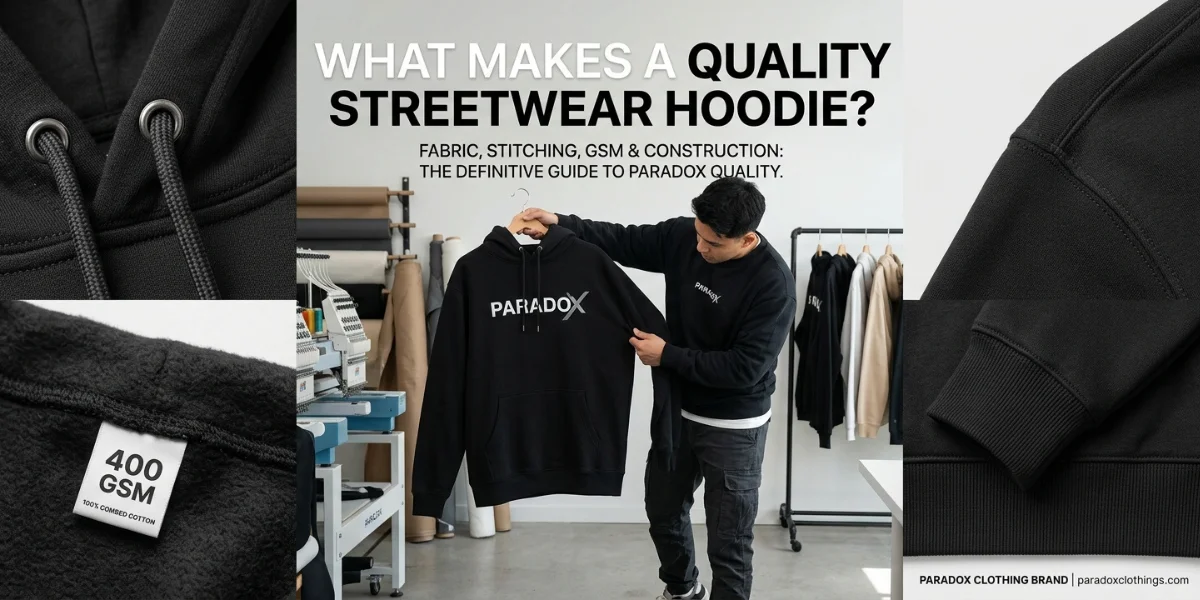
Not every hoodie that looks good in a product photo actually holds up once it reaches your closet. You have probably felt this before, a hoodie that looked thick and premium online, only to arrive thin, stiff, or already pilling after the second wash. That gap between what a listing promises and what actually shows up at your door is exactly why so many people start searching for real answers instead of trusting marketing copy alone.
This guide is built to close that gap. We are going to walk through exactly what separates a genuinely well made hoodie from an average one, using the same details that fabric engineers, tailors, and experienced streetwear buyers actually look for. By the end, you will be able to judge any hoodie in seconds, whether you are shopping with us or comparing options anywhere else online.
Why Quality Actually Matters When Buying a Hoodie
A hoodie is one of those pieces that gets worn constantly, thrown in the wash weekly, stretched over layers, and sat in for hours at a time. That kind of everyday use means small differences in construction add up fast. A poorly made hoodie might feel fine on day one, but within a few months the cuffs stretch out, the color fades unevenly, and the fabric starts to pill under the arms and along the sides.
A genuinely well built hoodie handles all of that without falling apart, which means you spend less money replacing pieces every season and more time actually enjoying the ones you already own. Understanding what quality really looks like is not about becoming a textile expert. It is about knowing a handful of practical signs that tell you everything you need before you buy.
How to Tell a Quality Hoodie From an Average One
Knowing how to tell quality hoodie construction apart from an average one comes down to a handful of practical checks that consistently reveal the truth, regardless of price point or brand name.
Check the Fabric Weight First
Pick the hoodie up. A well made piece should feel substantial in your hands, not thin or floaty. Lightweight fabric is not automatically bad, but it should feel intentional rather than cheap, meaning it should still hold some structure instead of collapsing like a t-shirt.
Inspect the Stitching
Flip the hoodie inside out and look at the seams around the shoulders, sleeves, and hem. Straight, even, tightly packed stitches are a strong sign of careful construction. Loose threads, uneven spacing, or visible gaps between stitches are early warning signs that the seams will not survive repeated washing.
Look at the Drawstring and Hardware
Give the drawstring a light tug. It should feel sturdy and resist fraying at the tips. Any metal grommets or eyelets around the hood should sit flush against the fabric without wobbling, since loose hardware is one of the first things to fail on a poorly made hoodie.
Feel the Fabric Texture
Run your hand across the inside of the hoodie. Quality fleece or brushed cotton should feel soft and slightly plush without shedding fibers onto your hand. If the interior feels rough, thin, or scratchy, that is usually a sign of lower grade material that will not soften with wash the way premium cotton does.
Hoodie Fabric GSM: The Number That Defines Quality
Every hoodie you will ever buy has a fabric weight measured in GSM, short for grams per square meter, and this single number tells you more about a hoodie’s real quality than almost anything else on the label. A lightweight hoodie generally sits between 220 and 320 GSM, while a heavyweight, more structured build usually starts around 350 GSM and climbs higher from there.
Higher GSM does not automatically mean better quality on its own, but it does mean denser, more durable fabric that resists thinning out and losing shape after repeated washing. When you are comparing two hoodies at a similar price, checking the listed GSM, when available, is one of the fastest ways to understand what you are actually paying for before it ever arrives at your door.
Materials That Define a Well Made Hoodie
Fabric weight only tells part of the story. The actual fiber used to build the hoodie plays just as large a role in comfort, durability, and how the piece ages over time.
Cotton
Pure cotton remains one of the best hoodie materials because of how breathable and soft it feels against the skin. Combed or ring spun cotton in particular produces a smoother, more refined texture compared to standard cotton, since the process removes shorter, weaker fibers during manufacturing. This is a distinction well documented by fiber classification research from organizations that study cotton quality standards, including guidance from Textile Exchange’s fiber classification research, which explains how fiber length and processing method directly affect the strength and evenness of the final yarn.
Cotton-Polyester Blends
Blending cotton with a small percentage of polyester adds extra durability and shape retention while keeping most of the softness cotton is known for. This blend tends to resist shrinking and wrinkling better than pure cotton, making it a practical choice for hoodies that need to hold their shape through frequent washing.
Fleece Lining
For hoodies designed with warmth in mind, a brushed fleece interior traps heat far more effectively than a plain, unbrushed lining. This is the layer responsible for that soft, cozy feeling against the skin, and its overall performance often depends on how evenly the brushing process was applied during manufacturing.
Construction Details That Separate Premium Hoodies From Basic Ones
Beyond fabric and material, the way a hoodie is actually put together determines whether it survives years of regular wear or falls apart within a single season.
Reinforced Seams
Double stitched seams, especially around the shoulders and underarms, distribute stress across a wider area of fabric instead of concentrating it along a single line of thread. This small detail is often the difference between a hoodie that survives hundreds of washes and one that starts ripping at the seams within a few months.
Ribbed Cuffs and Waistband
A tightly knitted rib at the cuffs and waistband keeps its elasticity far longer than a loosely knitted one. This is easy to test in person by gently stretching the rib and watching how quickly it snaps back into shape.
Kangaroo Pocket Stitching
The front pocket takes on constant stress from hands going in and out throughout the day. Reinforced stitching along the pocket edges, particularly at the corners where stress concentrates most, is a strong indicator that the brand paid attention to the details that actually matter during everyday use.
What Makes Paradox Hoodie Quality Stand Out
Every principle covered so far, dense fabric weight, premium cotton blends, reinforced seams, and durable hardware, is built directly into how we approach construction. Instead of choosing between a soft feel and long term durability, our approach is to deliver both at once, using tightly knitted cotton blends and construction methods that hold up under the kind of daily wear a hoodie is actually meant for.
If you want to see this approach in action, our full Paradox Hoodie collection reflects every standard covered in this guide, from fabric weight to seam construction, giving you a straightforward way to shop without needing to second guess what you are actually getting.
Why Color and Dye Quality Matter More Than People Realize
Fabric weight and stitching get most of the attention, but the dyeing process is another detail that quietly separates a well made hoodie from a cheaply produced one. Low grade dyeing often results in uneven color, especially around seams and pockets where fabric layers overlap during production. Over time, this shows up as patchy fading, sometimes within just a few washes.
A properly dyed hoodie holds its color evenly across the entire garment, including in high friction areas like the cuffs, hood lining, and waistband. One simple way to check this before buying, if you can see the product in person, is to look closely at the inside seams. If the color looks noticeably lighter or uneven compared to the outer fabric, that is usually a sign of a rushed or lower quality dyeing process. Reactive dyeing, a method that bonds color directly into the cotton fiber rather than simply coating the surface, tends to produce much longer lasting results and is one of the reasons certain hoodies keep their deep, rich color long after cheaper alternatives have faded to a dull, washed out version of the original shade.
Color consistency also affects how a hoodie photographs and how it looks when paired with other pieces in an outfit. A slightly off, inconsistent shade can throw off an entire fit, which is part of why experienced streetwear buyers pay close attention to this detail even though it rarely gets mentioned in typical buying guides.
A Quick Buyer’s Checklist Before You Purchase
Bringing everything together, here is a simple checklist you can run through before buying any hoodie, whether you are shopping with us or comparing it against something else entirely.
Start by checking whether the fabric weight or GSM is listed anywhere in the product description. If it is missing entirely, that can sometimes be a sign the brand is not prioritizing transparency around construction quality. Next, look closely at any available close up photos of the stitching, particularly around the pocket and cuffs, since this is where poor construction shows up first.
Read through recent customer reviews and pay specific attention to comments about the hoodie’s condition after several washes rather than just first impressions out of the box. Check the listed material composition as well. A blend that includes at least some percentage of cotton is generally a safer bet for comfort and breathability compared to fully synthetic alternatives.
Finally, consider the brand’s overall reputation for consistency. A brand that has built a track record around quality construction, rather than chasing short term trends, is far more likely to deliver a hoodie that matches what was actually promised in the listing. Running through these five checks takes only a few minutes, but it can save you from wasting money on a hoodie that looks great in photos and falls apart within a single season.
Does Hoodie Quality Change Based on the Season You Buy For
One question that rarely comes up but genuinely affects your buying decision is whether the season you plan to wear a hoodie in should change what you look for in terms of quality. The short answer is yes, though the fundamentals covered throughout this guide still apply across the board.
For colder months, prioritizing a heavier fabric weight alongside a brushed fleece interior makes the biggest difference in actual comfort and warmth. In this case, checking for consistent brushing throughout the interior lining becomes just as important as checking the stitching, since uneven brushing leads to cold spots that defeat the purpose of a heavier hoodie in the first place.
For warmer months or transitional weather, a lighter weight cotton or a cotton blend with better breathability becomes the priority, but the same construction standards, reinforced seams, sturdy hardware, and even dyeing, still apply. A lightweight hoodie built without attention to these details will still fall apart just as quickly as a heavyweight one, it will simply do so while feeling less warm along the way.
This is also where understanding your own climate and how often you plan to wear a piece throughout the year pays off. Someone living somewhere with long, cold winters benefits more from investing in a heavier, more insulated build, while someone in a milder climate may get more actual use out of a versatile, midweight hoodie that works comfortably across most of the year. Either way, the checklist and construction details covered earlier in this guide remain the same starting point, regardless of which season you are shopping for.
Building a Hoodie Collection That Actually Lasts
Rather than thinking about hoodie quality as a single purchase decision, it helps to think about it as the foundation of a small, reliable collection you can rotate through year after year. Owning two or three genuinely well made hoodies, chosen with the fabric weight, material, and construction details covered throughout this guide in mind, will almost always outperform owning five or six lower quality ones that need replacing every few months.
This approach also tends to be more cost effective over time, even though the upfront price per piece is often higher. A hoodie built with dense, quality fabric and reinforced seams can realistically last several years of regular wear, while a fast fashion alternative may need replacing after a single season. When you calculate the actual cost per wear rather than just the sticker price, quality construction consistently comes out ahead, which is exactly why understanding these details before you buy makes such a meaningful difference to both your wardrobe and your budget over the long run.
How to Spot Fast Fashion Hoodies vs Genuine Quality Streetwear
Fast fashion hoodies are built around speed and low cost, which almost always means thinner fabric, single stitched seams, and synthetic blends that pill quickly. These pieces are designed to look acceptable in photos long enough to sell, not to last through a full season of regular wear.
A genuine quality streetwear hoodie, by comparison, is built with the expectation that you will wear it dozens of times across multiple seasons. That difference shows up in the small details covered throughout this guide, tighter stitching, better fabric weight, and hardware that does not loosen after a few washes. Learning to recognize these signs means you stop paying fast fashion prices for pieces that were never built to last, and start investing in ones that actually hold their value over time.
Caring for a Quality Hoodie So It Lasts Longer
Even a well built hoodie needs proper care to reach its full lifespan. Washing in cold water and turning the hoodie inside out protects both the outer fabric and any printed graphics from unnecessary friction during the wash cycle. Air drying instead of using high heat prevents shrinking and helps ribbed cuffs and waistbands hold their elasticity for much longer.
Avoid ironing directly over any printed design, and if you need to remove wrinkles, a light steam is a much safer option. Rotating between a few hoodies rather than wearing the same one every single day also spreads out wear and tear, which noticeably extends how long each piece stays in great shape.
Why This Guide Is the Solution to Your Search
If you came here trying to figure out whether a hoodie is actually worth buying before you commit, this guide was built to answer exactly that question. Instead of guessing based on price or photos, you now have a real framework, fabric weight, material, stitching, and hardware, that you can apply to any hoodie you come across, from any brand.
This is also the same standard we hold ourselves to. As a Paradox Clothing label built in the USA, our focus has always been on solving the exact frustration this guide addresses, hoodies that look great in photos but fall apart in real life. Every piece in our lineup is built around the details covered here, not as an afterthought, but as the actual foundation of how we design and produce each hoodie.
Whether you are exploring our full paradox wear lineup or looking specifically for a hoodie built to last, our goal is the same, giving you a piece you can rely on instead of one you will need to replace in a few months. If you already know hoodies are your main focus, our prdx hoodie collection is the fastest way to see these standards applied firsthand. And if you are just discovering us, our full paradox clothing brand lineup extends this same commitment to quality across every category we offer, not just hoodies.
Frequently Asked Questions
What GSM is considered good for a hoodie?
Anything between 300 and 400 GSM is generally considered a solid range for a well balanced hoodie, offering enough density for durability and warmth without feeling overly bulky for everyday wear.
How can I tell if a hoodie is good quality before buying online?
Look for listings that specify the fabric weight or GSM, check customer reviews mentioning durability after multiple washes, and pay attention to close up photos of the stitching and interior lining whenever they are available.
Is heavier fabric always better for a hoodie?
Not necessarily. Heavier fabric tends to be more durable and warmer, but a well constructed lighter hoodie can still perform well if the stitching, seams, and fiber quality are solid. Weight is one factor among several.
What fabric blend is best for a streetwear hoodie?
A cotton and polyester blend is often considered ideal because it combines the softness and breathability of cotton with the shape retention and durability benefits of polyester.
How often should I wash my hoodie to keep it looking new?
Washing after every two to three wears, rather than after every single wear, helps preserve fabric integrity and color while still keeping the hoodie fresh and clean.
Do more expensive hoodies always mean better quality?
Not always. Price can reflect brand positioning as much as actual construction quality. The details covered in this guide, fabric weight, stitching, and material, are far more reliable indicators than price alone.
What is the difference between fast fashion and quality streetwear hoodies?
Fast fashion hoodies prioritize speed and low cost, often resulting in thinner fabric and weaker construction. Quality streetwear hoodies are built with durability in mind, using denser fabric, reinforced seams, and materials designed to hold up over repeated wear.
Read Related Posts:-
- Paradox Hoodies: The Complete Buyer’s Guide (2026)
- Paradox Heavyweight Hoodie vs. Standard: Which One Should You Buy?
- Paradox Hoodie Size Guide: Find Your Perfect Fit